
Moving Equipment Without Losing System Performance
Unit Relocation and System Optimization in Corinth for homeowners completing renovations, additions, or landscaping projects that affect heat pump placement
Heat Pumps R Us relocates outdoor condensing units and indoor air handlers when renovations, home additions, or landscaping projects require moving equipment to a new location in Corinth. You are adding a deck where the outdoor unit currently sits, or you are finishing a basement and need to reposition the air handler to make room for new walls and utilities. These relocations involve disconnecting refrigerant lines, repositioning the equipment, and reconnecting everything to ensure the system maintains proper airflow, refrigerant charge, and drainage without introducing leaks or performance issues.
Relocation work includes recovering refrigerant into a storage tank, disconnecting electrical and control wiring, moving the unit to its new location, reinstalling mounting brackets or concrete pads, running new refrigerant lines if the distance changes, and testing the system to confirm it operates without reduced capacity or unusual noise. In Corinth, where outdoor units must remain elevated above snowpack and positioned away from roof drip lines, the new location must allow for proper drainage, clearance for airflow, and protection from ice accumulation during winter storms. The goal is to maintain system efficiency while accommodating changes to your property layout.
If you are planning a renovation or landscaping project in Corinth that affects your heat pump location, schedule a consultation to review relocation options and avoid damage or performance loss during construction.
What Changes When You Move a Heat Pump Unit
You start by identifying the new location and confirming it meets clearance requirements for airflow, service access, and drainage. Heat Pumps R Us evaluates whether the refrigerant line length will change, whether new electrical service or conduit runs are needed, and whether the indoor air handler or ductwork requires repositioning to maintain balanced airflow throughout the home. The outdoor unit is disconnected, moved, and mounted securely on a new pad or bracket, and the refrigerant lines are either extended or rerouted to reach the new location without sharp bends or kinks that restrict flow.
After relocation, you will notice the system continues to heat and cool effectively, the outdoor unit operates quietly in its new position, and there is no drop in airflow or temperature control. Heat pumps r us pressure-tests the refrigerant lines to check for leaks, evacuates moisture from the system, and recharges the refrigerant to the manufacturer's specifications to ensure the system performs at its original capacity.
Relocation projects may also include optimizing airflow by adjusting duct dampers, repositioning supply registers, or relocating thermostats to better represent the average temperature in your home. Not all relocations require new ductwork, but any changes to the refrigerant line length or indoor unit position will be checked for proper system balance and efficiency.
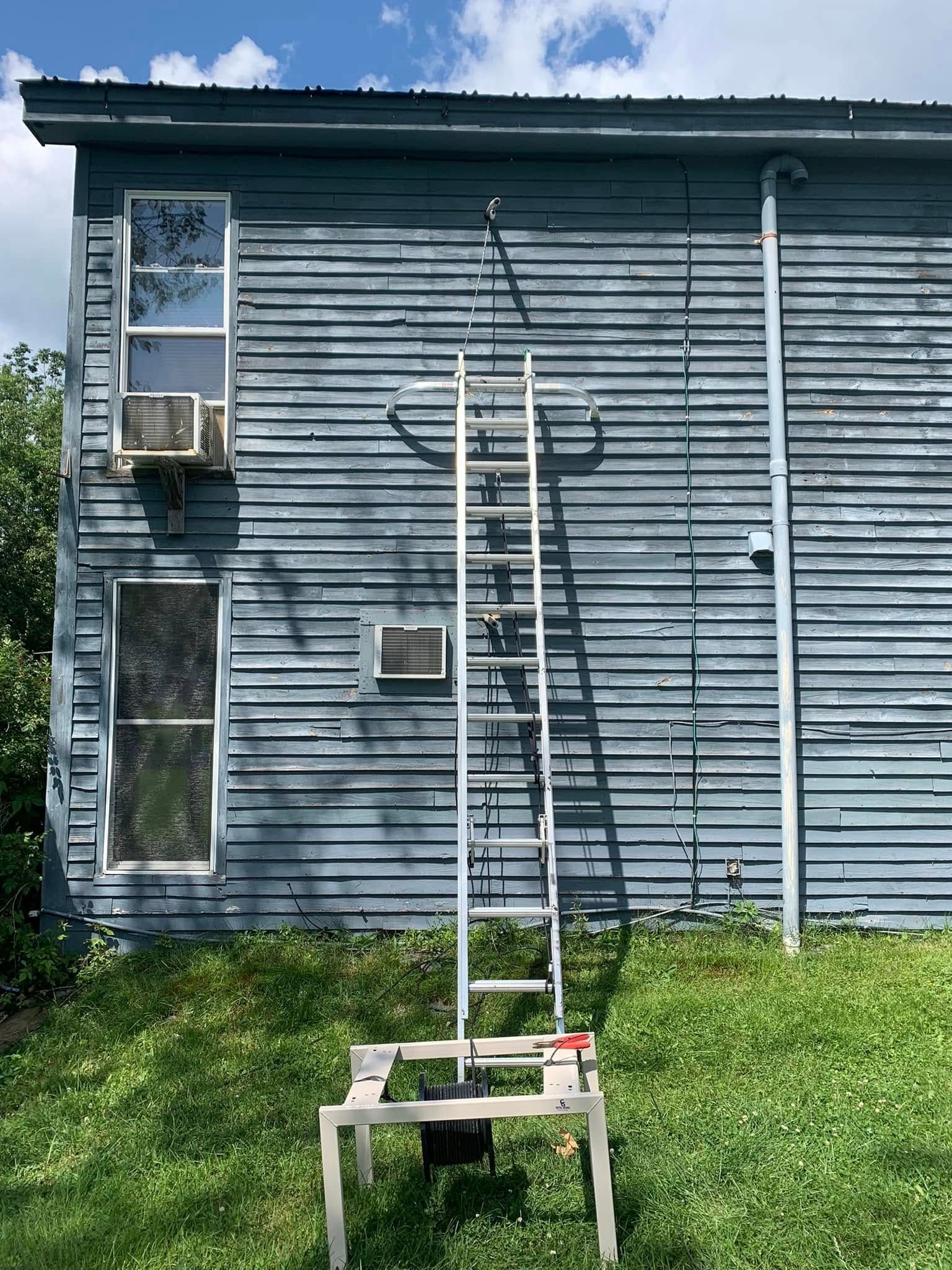
What Homeowners Need to Know About Unit Relocation
Homeowners in Corinth often ask how relocation affects system performance, whether refrigerant lines can be extended, and what happens if the new location is farther from the indoor unit.
What happens to the refrigerant during a unit relocation?
You recover the refrigerant into a storage tank before disconnecting the unit, then reinstall it and recharge the system to the correct pressure and weight specifications after the move is complete.
How do you determine the best location for a relocated outdoor unit?
You position the unit on level ground or a raised platform, away from roof drip lines and snowdrifts, with enough clearance for airflow around the coil and access for future maintenance in Corinth winters.
Why does relocating a heat pump require more than just moving the outdoor unit?
You must also reposition or extend refrigerant lines, electrical wiring, and condensate drains, and you need to verify that the system maintains proper airflow and refrigerant charge after the move.
What is involved in system optimization after relocation?
You adjust duct dampers, rebalance airflow between rooms, and check thermostat placement to ensure the system heats and cools evenly throughout the home without hot or cold spots.
How long does a typical unit relocation take?
You complete most relocations within one day, depending on the distance moved, whether new refrigerant lines are needed, and how accessible the new location is for mounting and electrical connections.
Heat Pumps R Us provides unit relocation and system optimization services for homeowners throughout Corinth who are renovating or modifying their property. Reach out to plan your project and keep your system running efficiently through the transition.